








Delivering Energy-Efficient Homes in Llanrumney
-
PDFDimplex case study LlanrumneyDownload

Project Background
The Llanrumney development was conceived against a backdrop of growing demand for affordable housing in Wales, highlighted in national discussions about housing shortages and energy efficiency. CCHA aimed to create homes that not only address this need but also set a benchmark for low-carbon living.
The ambition was clear: deliver homes that are affordable to run, environmentally responsible, and future-proofed for the transition to net zero.
Objectives
The primary goal of the project was to provide high-quality, affordable homes for local families while achieving an EPC rating of A across all properties. This required a focus on reducing energy bills and carbon emissions through innovative heating and renewable technologies. Beyond the immediate benefits for residents, the project also sought to support Wales’ broader energy transition by incorporating solutions that work in harmony with a low-carbon electricity system.

Solution Implemented
To meet these objectives, the development made use of two key technologies: Dimplex Quantum High Heat Retention Storage Heaters and Dimplex Edel Hot Water Heat Pumps, which were complemented by roof-mounted photovoltaic (PV) panels.
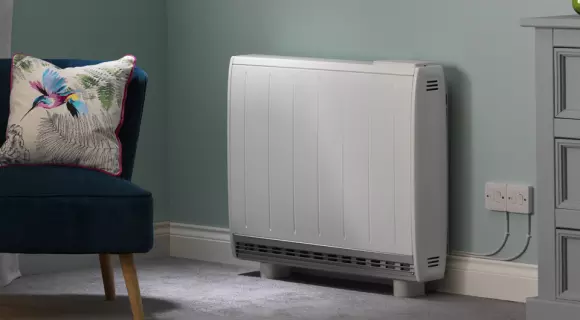
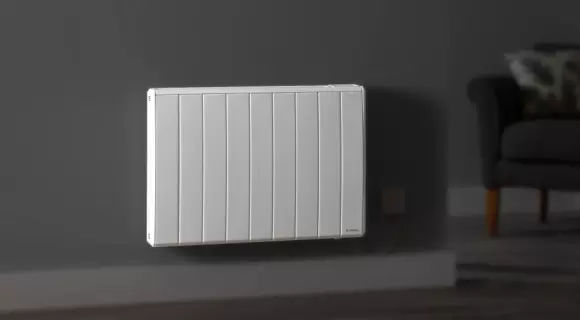
Depending on property size, each home was fitted with between five and eight Quantum heaters, designed to deliver warmth efficiently and intelligently. Unlike traditional storage heaters, Quantum units are engineered to retain heat for longer periods and release it gradually, ensuring consistent comfort throughout the day.
Quantum heaters are equipped with smart controls, allowing residents to program heating schedules and adjust settings easily. This level of control not only improves comfort but also maximizes energy savings by aligning heat delivery with household routines. Crucially, Quantum heaters charge during off-peak periods—when electricity demand is lower and renewable generation is often higher. This approach helps balance the electricity grid by shifting demand away from peak times, reducing strain on infrastructure and enabling greater integration of wind and solar power.
By using off-peak energy, Quantum heaters contribute to the decarbonization of heat, one of the most challenging aspects of the UK’s net-zero strategy. Flexible demand technologies like Quantum are essential for creating a cleaner, smarter grid, reducing reliance on carbon-intensive peaking plants and making homes part of the solution for a sustainable energy future.
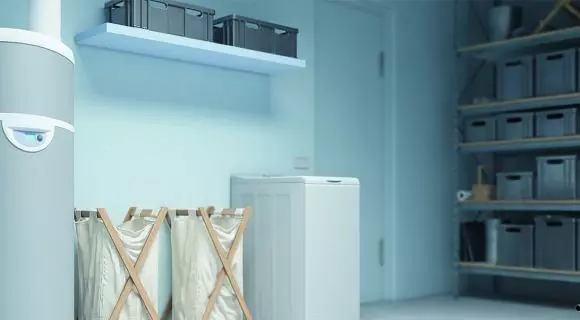
In addition to space heating, each home was equipped with a Dimplex Edel hot water heat pump to provide domestic hot water efficiently. Edel extracts heat energy from the surrounding air and uses it to heat water, consuming significantly less electricity than traditional immersion heaters. This technology not only reduces energy consumption but also complements the Quantum heaters and PV panels by operating efficiently within an all-electric,
low-carbon home.
By using renewable electricity and ambient air as its energy source, the Edel heat pump further lowers carbon emissions and running costs for residents. Its integration ensures that hot water provision is as sustainable as space heating, creating a fully electric solution that supports the transition away from fossil fuels.
Complementing the heating and hot water systems, each property was fitted with roof-mounted PV panels to generate clean electricity. This renewable source reduces reliance on grid power and lowers household energy bills. When combined with Dimplex Quantum and Edel, PV panels create a holistic approach to sustainable heating, hot water, and power—ensuring that residents benefit from both lower costs and reduced environmental impact.

Results
The outcomes of the Llanrumney development have been impressive. All twelve homes achieved an EPC rating of A, placing them among the most energy-efficient properties in the UK. Residents can expect significant reductions in heating and hot water costs compared to traditional systems, thanks to the combination of smart storage heating, heat pump technology, and on-site renewable generation. The project also delivers a lower carbon footprint, supporting Welsh Government decarbonization targets and contributing to the national effort to achieve net zero.
Beyond household benefits, the project demonstrates how residential developments can play an active role in supporting the wider energy system. By charging heaters during off-peak periods and using efficient heat pumps, these homes help balance supply and demand, enabling more renewable generation and reducing reliance on fossil fuels during peak times.

Conclusion
The Llanrumney development offers a blueprint for future housing projects. For residents, it delivers affordable warmth, reliable hot water, enhanced comfort, and greater control over energy use. For the environment, it reduces emissions and accelerates progress toward net-zero housing. For the energy sector, it showcases how demand-shifting technologies like Quantum and Edel can support grid stability and renewable integration, making housing developments part of the solution rather than part of the problem.
The Llanrumney project is a powerful example of how innovative heating and hot water solutions, combined with renewable energy, can transform affordable housing. By achieving EPC A ratings and delivering homes that are both comfortable and cost-effective, CCHA has set a new standard for sustainable living in Wales. Technologies like Dimplex Quantum and Edel not only improve household efficiency but also play a critical role in the wider energy transition—helping to create a cleaner, smarter grid and paving the way for a net-zero future.