











Government Confirms New Energy Efficiency Pathway for Social Housing: What Providers Need to Know
For landlords and asset managers balancing cost, disruption and long‑term decarbonisation plans, the updated approach offers welcome certainty and greater choice in how compliance is achieved.
Recognition of Smart Readiness
An important element of the Government’s response is the formal recognition of smart readiness as a valid pathway to EPC compliance, alongside traditional fabric and heating system upgrades.
Under the new framework, social housing providers can meet energy efficiency targets by focusing on how intelligently homes use and manage electricity, rather than relying solely on physical fabric improvements. This represents a shift away from a one‑size‑fits‑all, fabric‑first approach. Technologies that comply with the Smart Secure Electricity Systems (SSES) Programme are particularly well placed under this metric. SSES compliance demonstrates that appliances can operate securely, respond to system signals, and support a more flexible and resilient electricity network.
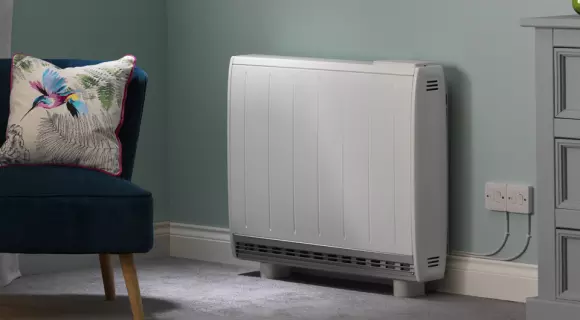
For electrically heated homes, this opens up a practical and lower‑disruption compliance route. For example, Dimplex Quantum HHR storage heaters are ESA compliant and align with SSES requirements, meaning they can contribute towards meeting EPC C via the smart readiness metric. Their intelligent charging and control capabilities allow energy to be stored and used efficiently while maintaining predictable comfort for residents. Importantly, this pathway can remain valid through to 2039, depending on metric selection and any applicable exemptions.

Why the Government Consulted
The consultation, which ran over summer 2025, explored how minimum energy efficiency standards for social housing should evolve. It forms part of a broader reform package alongside EPC reform, the Home Energy Model (HEM) and updates to the Decent Homes Standard.
The original proposals placed a strong emphasis on a fabric‑first approach, with relatively tight timescales. Feedback from across the sector suggested this could be difficult to deliver at scale, particularly for harder‑to‑treat homes, and risked multiple rounds of invasive retrofit work with limited benefit to tenants.
What Was Originally Proposed
At consultation stage, the Government’s preferred option included:
- A dual‑metric approach requiring EPC C for building fabric, in addition to a second metric covering either smart readiness or heating systems
- Compliance by 2030
- A £10,000 per‑property spend exemption, allowing a further 10 years to meet the standard
- A transition period allowing homes meeting current EPC C before April 2028 to remain compliant until certificates expired
What Has Changed
Following consultation, the Government has significantly revised this approach to prioritise flexibility and deliverability. Under the confirmed framework:
All social homes must achieve EPC C or higher against one metric by 1 April 2030, using reformed EPCs
- The EPC C rating can be achieved through just one of the three metrics:
- Building fabric performance
- Smart readiness
- Heating system performance
- A second metric must be almost met by 1 April 2039, unless a valid exemption applies
- Providers have the freedom to select the metrics that best suit their housing stock, tenant needs and long‑term asset strategies
This explicitly acknowledges that technology‑led interventions can sometimes offer the most cost‑effective and least disruptive route to compliance.
Extended Transition Periods and Spend Exemptions
Two further changes give providers additional certainty:
- The cut‑off date for compliance using current EPC C ratings has been extended to 2030, rather than 2028
- A second £10,000 spend exemption will apply for the additional metric, with the level to be reviewed in 2030
These measures allow landlords to continue with existing programmes while planning sensibly for future requirements.
What This Means for Social Housing Providers
Together, these reforms create a more realistic and adaptable compliance framework that better reflects the diversity of real housing stock. For providers, this means:
- Fewer rigid requirements and greater choice in delivery
- Reduced risk of repeated retrofit work and tenant disruption
- Increased scope to deploy smart, controllable technologies as part of compliance strategies
- A longer, more manageable pathway to decarbonisation and net zero goals
The confirmation of smart readiness as a compliance route also reinforces the role of intelligent electric heating and demand‑side flexibility in improving efficiency, affordability and tenant comfort.

Looking Ahead
While EPC reform and HEM will continue to evolve, the broader direction is now clear. Social housing efficiency will be assessed not only on building performance, but on how effectively energy is managed within the home.
This approach gives landlords the tools to align regulatory compliance with long‑term asset planning, tenant outcomes and the future energy system - rather than being locked into a single retrofit route.