






Our approved CPD courses
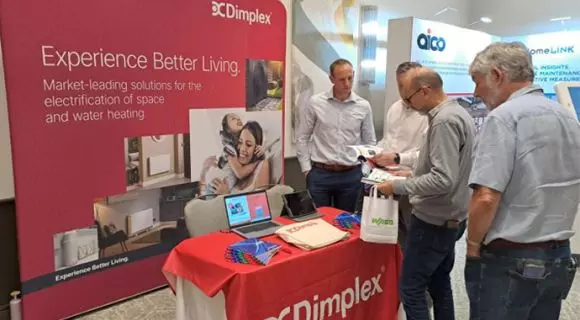
With over 75 years experience in the HVAC sector, Dimplex is keen to assist industry professionals collect accredited hours to meet their CPD requirements. We offer a wide range of CPD training, approved through both The CPD Certification Service and the Chartered Institution of Building Services Engineers (CIBSE), delivered by trained Dimplex presenters for building service engineers, architects and building service professionals.
Our CPDs are designed to help building professionals, whatever the job role, understand different HVAC technologies, from project application to potential routes to compliance. All our presenters have extensive experience within the HVAC industry to better understand your requirements.
CPD topics

SAP 10.2: Compliance with technologies for the electrification of heat in residential buildings
Learn more about compliance with Part L and SAP10.2 modelling for homes, residential apartments and mixed-use developments. This CPD presentation is suitable for anyone who wants to learn more about the Part L and compliant
technologies and understand SAP10.2 modelling in more detail.

Guide to RdSAP: Decarbonising housing stock and the electrification of heat in buildings
In this CPD presentation we will consider the impact of changes to Part L, F and the new EPC guidelines on specification of heating, hot water and ventilation in social housing. This CPD presentation is suitable for anyone in the social housing sector who wants to learn more about electrified heating and hot water solutions.

Part F ventilation – Domestic Buildings Compliance
This CPD explains the need for ventilation and its link with Approved Documents, discussing the requirements of the Part F 2022 update and the three ventilation system types that are available. This CPD presentation is suitable for anyone who wants to learn more about Part F and compliant technologies and better understand ventilation.

Introduction to heat pumps for residential specification
This course is an ideal introduction to heat pumps. The presentation covers a wide range of topics including legislation, heat pump technologies and their application. This CPD presentation is suitable for anyone who needs an introduction to heat pump technology.

Introduction to hot water heat pump technology in new and existing residential buildings
This CPD presentation is an introduction to fully electric hot water heat pump systems. This CPD presentation is suitable for anyone within the construction industry but primarily it is aimed at building service engineers and building services professionals.

Ambient loop systems for multi-occupancy residential and mixed-use buildings
Learn more about ambient networks and how they can help increase the energy efficiency of residential and mixed-use buildings. This CPD presentation is suitable for anyone who wants to develop an understanding of the benefits of ambient networks in multi-use buildings and improve their knowledge of heat pump technology.

Using fan coil technology to lower whole-life carbon
This course delves into what fan coils units (FCUs) are, the different technologies and controls, and how you can use multiroom arrangements to help lower whole-life carbon on your projects. This CPD presentation is suitable for anyone who needs an introduction fan coil unit technology.

Specification of intelligent heating solutions
This CPD explores the challenges around energy cost, sustainability and carbon emissions of heating in hotels
and Purpose-Built Student Accommodation (PBSA). This CPD presentation is suitable for anyone who wants to learn more about reducing the carbon emissions and energy costs of hotel and student accommodation-type buildings.

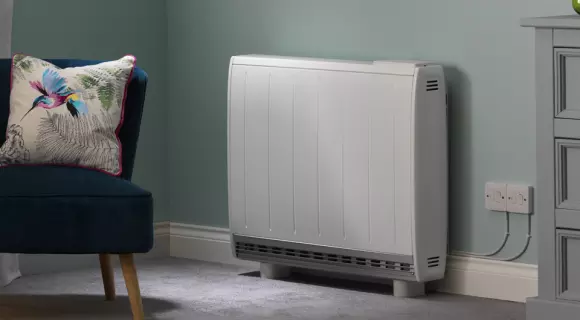
High heat retention storage heaters (HHRSH), decentralised thermal storage for energy efficient homes
Understand how high heat retention storage heaters can be used to help decorbonise new and existing homes, reducing energy costs for occupants and providing valuable flexibility to the electricity grid. This CPD presentation is suitable for those in the social and private housing sectors involved in the specification of heating solutions.

Awaab’s Law and its impact on ventilation for social landlords
Awaab’s Law now imposes stricter rules for social landlords to address health and safety hazards like damp and mould which existing housing standards lacked. This CPD presentation is suitable for anyone in the social housing sector who wants to understand more about Awaab’s Law and how effective ventilation can alleviate the issues of damp and mould.
Advance your career with Dimplex
Whether you’re looking to refresh your skills or explore new technologies, our expert-led courses provide practical insights and recognised certification.
CPD information


Powering the future
Dimplex has been bringing comfort to people’s lives since the 1940s through the power of electricity and throughout those years M&E consultants and specifiers have one thing in common - a desire to find advanced solutions from someone they can trust. Today, our principal ambition is to deliver market-defining HVAC solutions, supported by a deep-rooted and continuous investment in new ideas, modern design and ongoing innovation through Dimplex and our endorsed brands.

Residential and commercial expertise
Our focus is the design, development and manufacture of energy efficient, reliable heating cooling, ventilation and intelligent energy management solutions for residential and commercial buildings. We utilise our in-depth industry knowledge and experience across every sector from smart electric heating systems employing the latest control, communications and networking technologies to district heating networks encompassing heat pumps, MVHR systems and heat emitters.


For key information that brings value to each stage of your project from inception through to completion

What are the radiator surface temperature regulations for schools and nurseries?
6 Sep 2024
In this FAQ we look at the regulations covering schools and nurseries that define the maximum safe surface temperature of radiators. The regulations require specifiers and asset managers to select radiators that can operate with a low outer surface temperature to achieve compliance.

What should be considered when replacing a panel heater?
6 Sep 2024
In this FAQ we explore some of the practical measures that can be taken to help make the job of replacing old panel heaters easier. We also show how gaining an understanding of the many features that are available on modern panel heaters will help decide which best suits the requirements of the building and its occupiers.

Dimplex to exhibit product showcase at InstallerSHOW 2024 Stand H90
5 Jun 2024
Dimplex has announced it will be exhibiting at InstallerSHOW 2024 on stand H90 between 25th-27th of June.

Spring Clean for a Healthier Happier Home in Spring 2024
23 May 2024
Spring is officially here! Even though it comes with a mixed bag of seasonal weather, one thing is certain: longer days and warmer temperatures are on their way. As the spring flowers bloom, returning some much-needed colour to our parks and public spaces, people often mark the change of the seasons with some spring cleaning.

We are Dimplex
20 Mar 2024
Dimplex announces brand endorsements
How can increased ventilation rates and improved filtration help deliver better Indoor Air Quality (IAQ) in residential buildings?
1 Mar 2024
It is an accepted view, supported by the World Health Organisation (WHO), that increased ventilation and better filtration rates significantly improve the IAQ of our buildings. Increasing the airflow in an indoor space and removing pollutants and contaminants such as particulate matter and gases through filtration, can provide considerable health and wellbeing benefits to its occupants.
How to specify the right heat pump for your residential project: Environmental and planning concerns
24 Jan 2024
Heat pumps are being increasingly specified for residential projects to meet hot water and space heating demands. They provide a low carbon alternative to the use of fossil fuels as an energy source and can achieve compliance to Part L 2021, the latest building regulations update to the approved document covering the conservation of fuel and power. The government is proposing further changes to building regulations in 2025 in the form of the Future Homes Standard that will prohibit the use of fossil fuels for new residential buildings. Therefore, specifying heat pumps now will help to future proof specifications and minimise the need for retrofitting to meet further regulatory changes.
How to specify the right heat pump for your residential project: Project design and site constraints
10 Jan 2024
This blog is focussed on the considerations around site constraints that should be considered by Mechanical and Electrical (M&E) consultants and other building professionals when specifying heat pumps for residential projects. It is taken from the white paper ‘A technical guide to the specification of heat pumps for single dwellings and multi-occupancy residential or mixed-use developments’ to give you a taste of just one of the many important areas that can influence specification choices covered in this comprehensive white paper.

Updates to core Building Regulations hail the start of an energy transition
20 Dec 2023
Last week saw the introduction of new Building Regulations for England with implications for heating, ventilation and hot water use in new and existing homes. This marks the start of an energy transition as we decarbonise our homes to meet future climate targets.

What is the requirement for HVAC system compliance for a collective housing application?
19 Dec 2023
One regulatory requirement for collective housing applications, or large residential developments, is to comply with Part L of the Building Regulations. The updated Part L has been published and is concerned with the conservation of power and fuel in buildings. Fixed heating, ventilation and air conditioning services in new residential dwellings play a large part in achieving the required energy performance of a building and their targets and requirements are outlined in this Approved Document.

How do ambient networks that use in-apartment heat pumps work?
19 Dec 2023
Ambient networks typically consist of in-apartment water-to-water heat pumps connected via a central loop to a central plant. Each heat pump uses ambient water from the central loop to provide heating, hot water and even cooling into the apartment. For domestic hot water use, the heated water is stored in an unvented, integrated cylinder that sits below the heat pump module in the apartment, whilst the heating circuit could use emitters such as radiators, fan coils or underfloor arrays.

What are the specification drivers of monobloc and split system air source heat pumps for residential dwellings?
9 Sep 2023