








What’s the best electric heating for every room?
With more than 75 years of experience helping people heat their homes, we understand that finding the right solution starts with understanding the space itself. Factors such as room size, heat loss, occupancy patterns and electricity tariff can all influence which type of heating is the best fit.
A great starting point is the Dimplex Heating Calculator, which uses influencing factors such as room dimensions and external openings to estimate the required heat output, recommending suitable products and helping to provide a starting point for selecting the most appropriate heating solution for each room.
In this guide, we'll explore the key considerations for each room and compare the options available, helping you identify the best electric heating for living rooms, bedrooms, kitchens, bathrooms, home offices and conservatories.
Best electric heating by room at a glance
| Room | Heating solution worth considering | Why? |
| Living room | Electric radiator, panel heater or high heat retention storage heater | Comfortable warmth for one of the most-used rooms in the home, with options to suit different heating preferences and tariffs. |
| Bedroom | Electric radiator, panel heater or high heat retention storage heater | Can provide warmth when it's needed most, from waking up to winding down for the evening. |
| Kitchen | Plinth heater or panel heater | Ideal where available wall space may be limited. |
| Bathroom | Dedicated bathroom heater alongside a towel rail | Helps maintain a comfortable room temperature while keeping towels warm and dry. |
| Home office | Electric radiator, panel heater or high heat retention storage heater | Supports comfortable daytime heating, whether occupancy is regular or more flexible. |
| Conservatory | Electric radiator or high heat retention storage heater | Can help meet the heating demands of highly glazed spaces. |
How to choose the best electric heating for each room
When choosing the best electric heating on a room-by-room basis, begin by considering room’s potential heat loss, available wall space, the property's existing electricity tariff and the controls that will make everyday use simple and effective.
Francesco Sarti, Application Design Manager at Dimplex, said: “The best electric heating solution will vary from room to room. A home office used every day has very different requirements to a bathroom or conservatory, which is why the most effective approach is to understand how the space will be used, how it retains heat and what level of control the customer is looking for. Starting with a heating requirement calculation provides a solid foundation for specifying the most suitable solution.”
Electric heating solutions generally fall into two categories, and you may be wondering what’s the difference between direct acting heaters and high heat retention storage heaters. Direct-acting heaters, including panel heaters and electric radiators, generate heat when it is needed and can be ideal for rooms that benefit from responsive warmth. High heat retention storage heaters store energy during off-peak periods and release heat when required. They can be particularly effective where a suitable off-peak tariff is available, helping households take advantage of lower electricity costs while still benefiting from modern controls and responsive heat delivery.
The Dimplex Heating Calculator is designed for individual rooms, so it's a great way to quickly establish a room's requirements and the products that could help. Where the project covers a larger property, multiple rooms or a more complex building fabric, Dimplex's Applications Design service can support detailed heat-loss and load calculations, product selection and a considered whole-project solution.
Let's now look at individual rooms and some of the electric heating solutions worth considering when making an assessment.

Find out more about Dimplex Quantum
Best electric heating for the living room
Living rooms are often one of the most frequently used spaces in a home, particularly during the evening. Comfortable, well-distributed warmth is therefore just as important as achieving the correct heat output, making it important to consider both how the room is used and when heat is required.
Best type of electric heater for a living room
Direct-acting electric radiators and panel heaters are often a good choice for living rooms, providing responsive warmth when heat is needed. The right option will depend on the room's heating requirement, available wall space and the preferred style of installation.
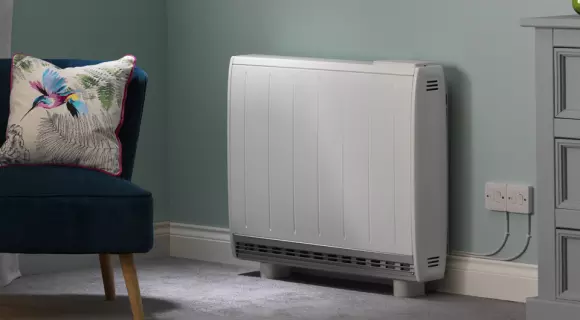
High heat retention storage heaters are also worth strong consideration in living rooms where a suitable off-peak tariff is available. Modern high heat retention models, such as the Dimplex Quantum, offer significantly greater control over heat retention and heat release than traditional storage heaters, helping to provide comfortable warmth throughout the day and evening.
What size heater do you need for a living room?
Large windows, an exposed corner position or a high ceiling can all impact a room’s heating requirements and the Dimplex Heating Calculator takes all of these factors into account when providing an estimated output for the room and recommending suitable products.
The required output should be based on the room’s dimensions and heat loss potential rather than its floor area alone.
Best electric heating for the bedroom
Bedroom heating is often about providing warmth when it's needed most, without heating an unoccupied room for longer than necessary. This makes heating schedules and occupancy patterns important considerations alongside the room's heating requirement.
Best type of electric heater for a bedroom
Bedrooms often require warmth at specific times of day, particularly in the morning and evening. Both direct-acting heaters and high heat retention storage heaters can be effective options, depending on the room's heating requirement and the property's electricity tariff.
High heat retention storage heaters can be a strong option where a suitable off-peak tariff is available, allowing stored heat to be used when needed while benefiting from the improved control and flexibility offered by modern models.
What temperature should a bedroom be?
While bedroom temperatures are often lower than those used in living spaces, there is no single temperature that's right for every household. UK health guidance advises that homes should ideally be heated to 18°C, particularly for older adults and people with certain health conditions.
When assessing bedroom heating, the focus should be on ensuring the room can maintain a comfortable temperature when occupied. An accurately sized heater and appropriate heating controls can help achieve this while avoiding unnecessary energy use when the room is empty.

Find out more about AluRad Wi-Fi
Best electric heating for the kitchen
Kitchen temperatures can fluctuate throughout the day due to cooking and the heat generated from appliances. Alongside the room's heating requirement, factors such as available wall space, external doors and glazing should all be considered when assessing the most suitable heating solution
Best type of electric heater for a kitchen
Kitchens often have less available wall space than other rooms, which is a key consideration when looking for the best electric heater for a kitchen. Electric plinth heaters and base unit heaters offer a practical solution for space restraints. Installed discreetly at low level, they can provide warmth without taking up valuable wall space.
Panel heaters can also be a good option where suitable wall space is available. High heat retention storage heaters may be worth considering in kitchens with a suitable off-peak tariff, particularly where background warmth is preferred throughout the day.
What to consider when heating a kitchen
External doors, glazing, available wall space and the room's typical usage can all influence the final specification. A well-positioned heater should provide comfortable warmth without obstructing kitchen layouts, appliances or storage areas.
Best electric heating for the bathroom
Like kitchens, bathrooms often benefit from warmth at predictable times of day. Any bathroom heating specification should balance the room's heating requirement with a product that is suitable for the environment and easy to manage day to day.
What type of electric heating is suitable for bathrooms?
Any fixed heater installed in a bathroom should be suitable for use in a room where moisture is present. Electric towel rails are a popular addition, helping to keep towels warm and dry, but they are not typically designed to heat the bathroom itself due to their relatively low heat output. Most bathrooms will therefore benefit from a dedicated heating solution such as a bathroom-rated panel heater or an electric radiator that is suitable for the environment.
Bathroom heating and safety considerations
Bathrooms are a specialist electrical environment, so product selection and positioning are particularly important. Any heating installation should ensure the selected product's IP rating, location and installation method are appropriate for the room.

Find out more about Dimplex Towel Rails
Best electric heating for a home office
As home offices are typically occupied during the day, the right heating solution should provide comfortable warmth during working hours while making it easy to avoid heating an unused room.
Best heater for a home office
High heat retention storage heaters can be worth considering where a suitable off-peak tariff is available, helping to provide comfortable daytime warmth while taking advantage of lower-cost overnight electricity. Modern models also offer intelligent controls and connectivity options that provide much greater flexibility than traditional storage heaters.
Direct-acting electric radiators and panel heaters can also be a strong choice, particularly where working patterns vary or heat is only required on certain days. Their responsive nature makes them well suited to flexible home working arrangements.
How to heat a home office efficiently
Efficient home office heating starts with matching operation to occupancy. Regular working hours may suit a programmed heating schedule, while more flexible working patterns may benefit from heating that can be adjusted remotely using WiFi-enabled app controls.
When comparing products, consider how heating schedules are managed, whether through onboard controls, RF controls or app-based connectivity.

Find out more about the PLXE Classic Panel Heater
Best electric heating for a conservatory
Conservatories can be one of the most challenging rooms to heat due to their large glazed areas and exposure to external temperatures. Heating requirements can vary significantly between properties, making it important to assess each conservatory on its own merits.
Best type of heater for a conservatory
The best electric heater for a conservatory will depend on how the space is used and the property's heat-loss characteristics.
For conservatories used occasionally, direct-acting electric radiators and panel heaters can provide responsive warmth when needed. Where a suitable off-peak tariff is available, a high heat retention storage heater may also be worth considering, helping to provide consistent and controllable warmth in a space that can experience significant heat loss.
Available wall space, glazing and the room's intended use should all be considered when selecting a heating solution. For larger conservatories or projects with more complex requirements, a detailed heat-loss assessment may be beneficial. For a more complex scheme, speak to the Dimplex Applications Design team.
How much heating does a conservatory need?
A conservatory's heating requirement can vary considerably depending on factors such as glazing levels, orientation, insulation, ceiling height and external exposure.
Rather than relying on floor area alone, the heating solution should be sized according to the specific characteristics of the space. This can help ensure comfortable temperatures throughout the year while avoiding unnecessary installed output.
Which type of electric heater is best?
The best electric heater is the one that meets the room's heating requirement and suits how the space is used. Broadly speaking, electric heating solutions fall into two categories: direct-acting heaters and high heat retention storage heaters, each offering different benefits depending on the application.
Heating type | Worth considering when... | Key considerations |
Direct-acting heaters (panel heaters and electric radiators) | Responsive, on-demand heat is required. | Heating requirement, room usage, available wall space and preferred control method. |
High heat retention storage heaters | A suitable off-peak or time-of-use electricity tariff is available and lower running costs are a priority. | Tariff suitability, room heating requirement and how heat is managed throughout the day. |
Direct-acting heaters
Direct-acting heaters provide warmth when electricity is being used, making them ideal for rooms where responsive heat is a priority. This category includes both panel heaters and electric radiators, each offering different installation styles and heat delivery characteristics.
Panel heaters
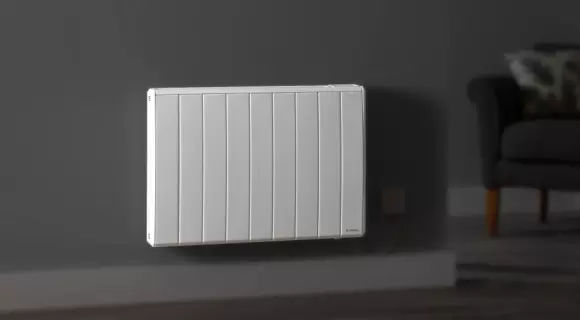
Panel heaters deliver warmth quickly through convection and are often well suited to spaces that benefit from heat on demand, such as home offices, spare bedrooms and kitchens. Their slim, wall-mounted design can also make them a practical option where space is limited.
Electric radiators
Electric radiators provide the familiar appearance of a traditional wet heating radiator without the need for pipework. Their higher thermal mass can help deliver a more even and consistent level of comfort, making them a popular choice for living spaces and bedrooms.
High heat retention storage heaters
Modern high heat retention storage heaters are designed to store energy during off-peak periods and release heat when required throughout the day. Products such as Dimplex Quantum combine advanced insulation, intelligent charge management and programmable controls, helping households make greater use of lower-cost electricity tariffs while maintaining comfort and control. Unlike older storage heating systems, modern HHR storage heaters offer significantly greater flexibility over how heat is stored and released.
How to choose the right size electric heater
The correct heater size is what links accurate assessment and product choice to genuine household comfort. By using the Dimplex Heating Calculator, you can assess each room based on its volume and heat loss factors, before diving more deeply into a household’s demographics, routine and room usage.
How many watts do you need to heat a room?
Ceiling height, insulation, glazing, external walls and draughts all affect the heating output needed for a room. A room with high ceilings and extensive glazing may need a different solution from a similarly sized, well-insulated internal room. This is why a room-specific calculation is incredibly helpful when calculating a room’s heating requirement.
When should you use more than one heater?
More than one heater can be appropriate in a large or awkwardly shaped room, or where heat needs to be distributed across distinct areas depending on household use.
The important factor to consider is whether the total installed output meets the calculated requirement and that the heaters are located appropriately to support even comfort, without being blocked by furniture or competing with the room layout.
What is the most energy-efficient electric heating?
Most modern electric heating solutions are highly effective at converting electricity into heat, so the difference between products is often less about efficiency and more about how the heat is managed and the electricity tariff being used.
The most cost-effective heating solution will depend on factors such as the room's heating requirement and the tariff available. For example, high heat retention storage heaters can take advantage of lower-cost off-peak electricity tariffs, while direct-acting heaters provide responsive warmth when it's needed. Choosing the right size heater and using heating controls effectively can also help reduce unnecessary energy use.
How smart controls can improve efficiency
Smart controls can be a great way to help match warmth to a household’s routine and habits. Timers and programmable schedules can reduce unnecessary operation, while smart features such as open-window detection can respond when heat is being lost.
FAQs
Storage heating is worth considering where a suitable off-peak tariff is available, while direct-acting solutions may be a better fit for rooms that need responsive warmth, such as home offices and bedrooms.
Running costs can depend on the heater’s output, how long it operates, the room’s heat loss, the controls in use and the electricity tariff. The most helpful recommendation is one that starts with the right room requirement and matches the product and controls to the household’s usage.
Most modern electric heating solutions are highly effective at converting electricity into heat. The difference between products is often less about efficiency and more about factors such as the electricity tariff being used, how the heat is managed and whether the heating solution is correctly sized for the room.
Use the Dimplex Heating Calculator to estimate the output for the individual room from its type, dimensions and external openings. It is a practical first step for installers and consumers, and it can suggest suitable products based on the results.
Electric heating can be planned across an entire home, with different room types and occupancy patterns dictating the product in each space. For larger properties, multiple rooms or more complex specifications, speak to the Dimplex Applications Design team for project-level support.
Both electric radiators and panel heaters can be suitable, provided they meet the calculated output for a room. A panel heater can be a strong option where a space-saving, responsive, direct-acting solution is wanted, while an electric radiator can suit households looking for a familiar radiator-style look alongside responsive heating and control options. The room requirement and layout should always guide the final decision.
A room that holds on to heat generally needs less input to stay comfortable than one that loses heat quickly. Insulation, glazing and the number of exposed surfaces can all affect both the calculated heat requirement and the required heating product.

How to calculate heating requirements for a room
Understanding a room's heating requirements is an important step when choosing electric heating. Getting the calculation right helps ensure a comfortable, efficient solution that's tailored to the space.
6 mins read